The promise of Artificial Intelligence is no longer a futuristic concept; it is the current engine driving the next industrial revolution. For executives and business leaders, AI workflow automation offers a tantalizing vision: a world where operational drag is eliminated, human creativity is unleashed, and scalability is limited only by imagination.
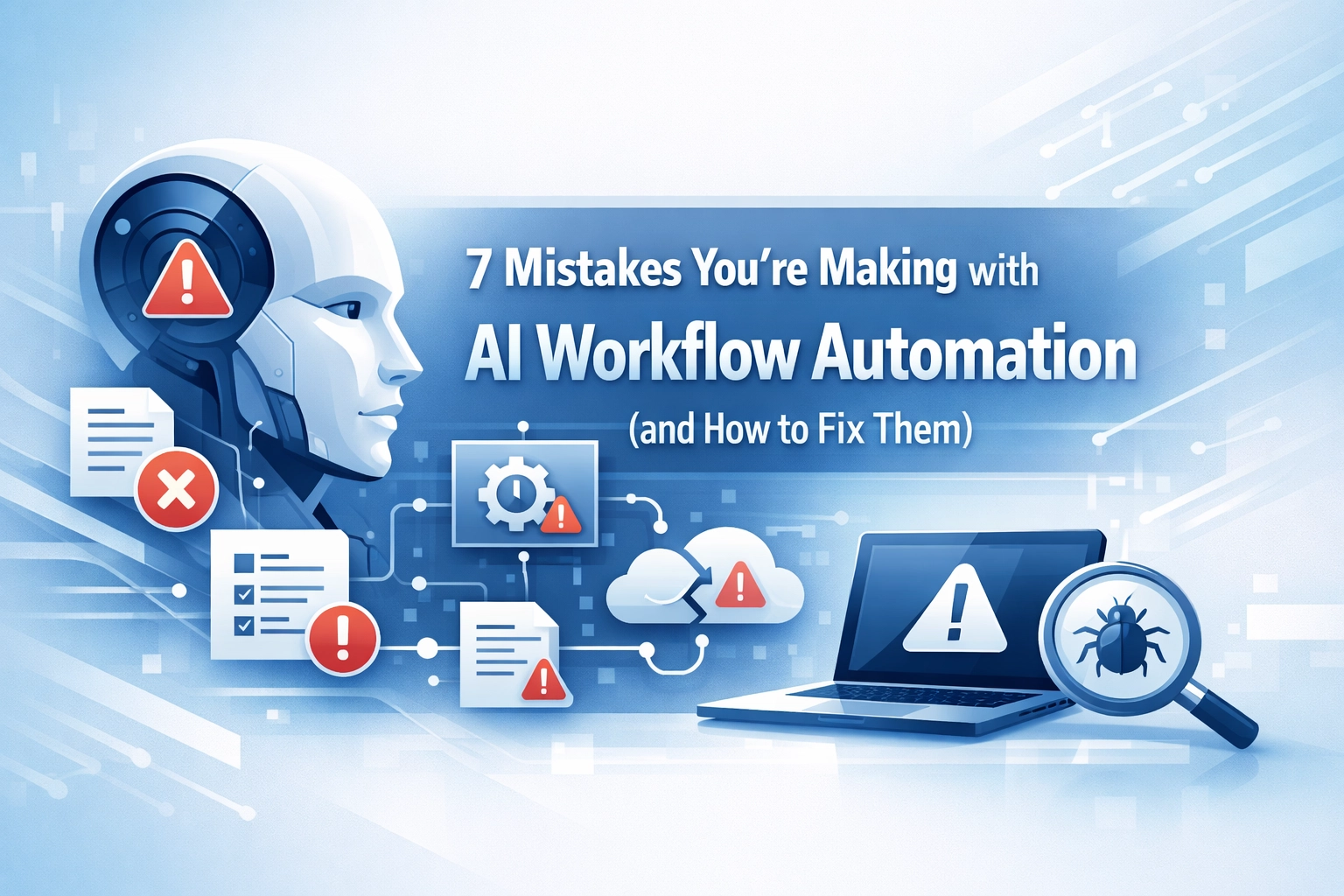
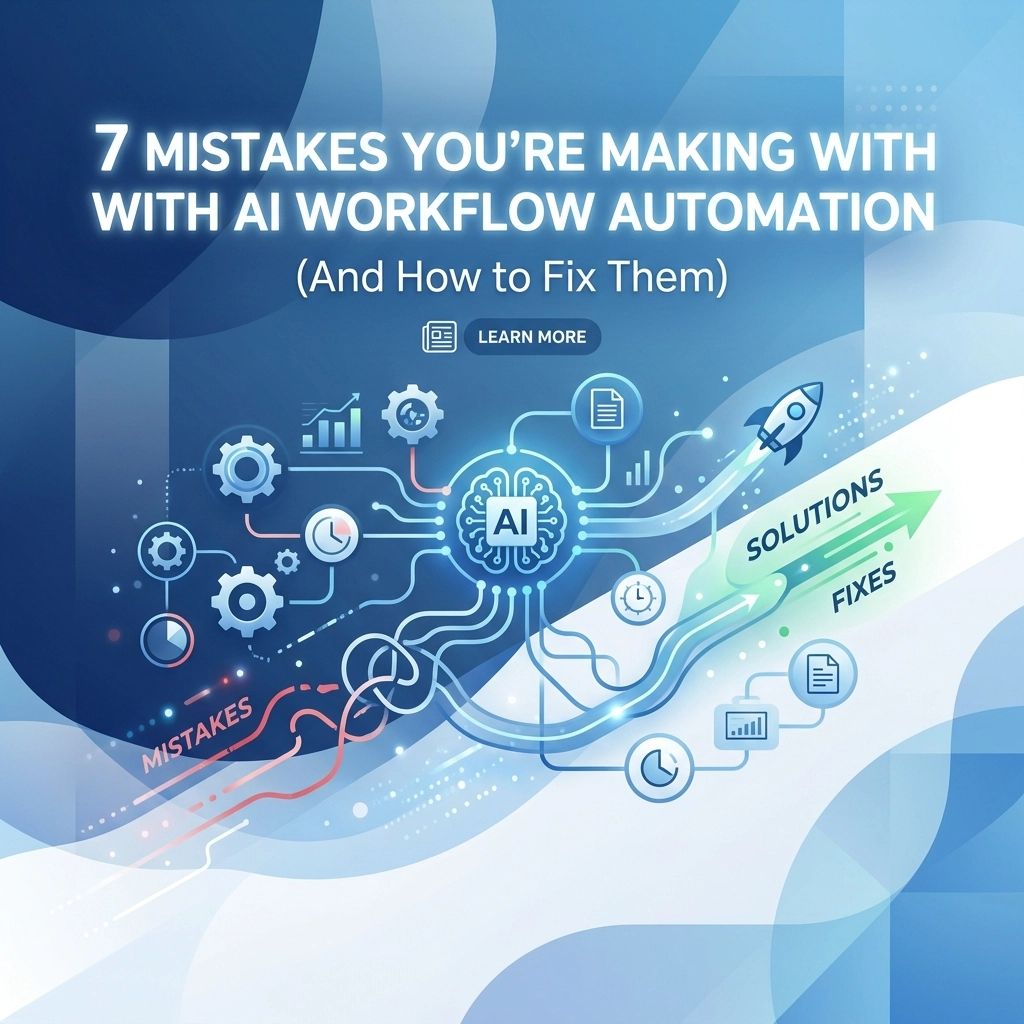
However, the transition from manual processes to AI-driven ecosystems is fraught with strategic pitfalls. Many organizations treat AI as a "plug-and-play" utility rather than a fundamental shift in their operating model. This leads to what we call "expensive friction": automation that costs more in maintenance and oversight than it saves in labor.
At Pure Technology Consulting, we specialize in building bespoke web applications and high-level automation roadmaps for complex industries like healthcare, legal, and fintech. We’ve seen where the gears grind and where the sparks fly. If your automation efforts feel like they are spinning their wheels, you are likely making one of these seven critical mistakes.
1. Automating Without a Strategic North Star
The most common error is automating for the sake of automation. Businesses often identify a repetitive task and immediately look for a tool to "fix" it without asking how that task contributes to the overarching business objective. This creates a "Frankenstein" architecture: a collection of disconnected bots and scripts that don't speak the same language.
The Fix: Lead with a consultative framework. Before writing a single line of code or deploying an agent, define your "North Star." Are you aiming for a 40% reduction in cycle time, or are you trying to improve data accuracy for compliance?
Start with a discovery phase. Map your existing workflows and identify the high-impact leverage points. Successful digital transformation isn't about doing more things faster; it’s about doing the right things automatically so your team can focus on high-value strategy.
2. Neglecting the "Data Foundation"
AI is essentially a sophisticated mirror; it reflects the quality of the data it is fed. If your underlying data is fragmented, outdated, or poorly structured, your AI automation will simply generate errors at a higher velocity. We call this the "Garbage In, Garbage Out" trap, and it is the primary reason AI projects fail to scale.
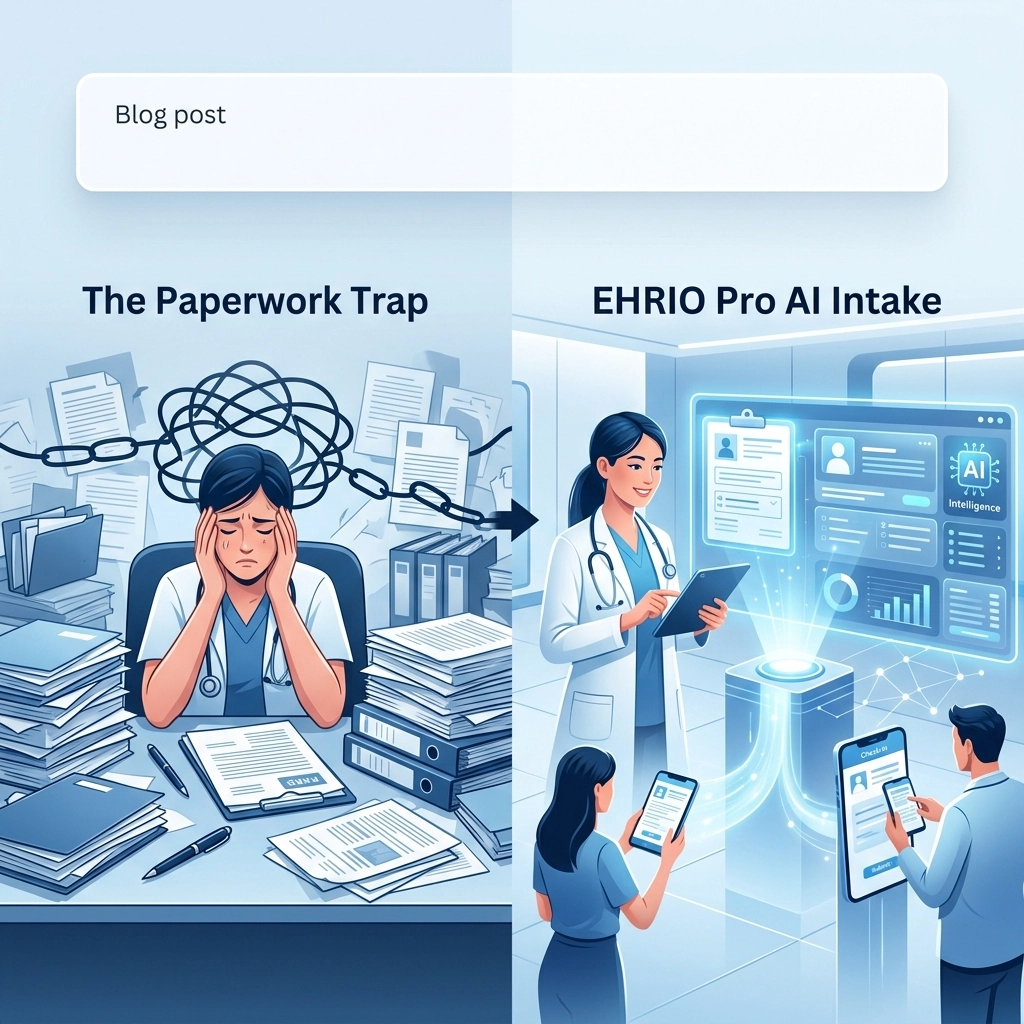
The Fix: Treat data governance as a prerequisite, not an afterthought. At Pure Technology Consulting, when we build custom engines like the matching logic found in EHRIO Pro, we prioritize data hygiene from day one.
Invest in data cleaning and unified architecture. Use integration layers to connect disparate systems so that your AI has a "single source of truth." By establishing rigorous data protocols, you ensure that your automation is making decisions based on reality, not noise.

3. The "Set It and Forget It" Fallacy
There is a misconception that once an AI workflow is deployed, the work is done. In reality, business environments are dynamic. Market conditions shift, customer behaviors evolve, and data patterns drift. An automation sequence that worked perfectly in Q1 might be obsolete or even counterproductive by Q3.
The Fix: Implement a continuous optimization loop. Establish Key Performance Indicators (KPIs) to monitor the health of your automations. Are error rates increasing? Is the throughput meeting expectations?
We recommend regular "workflow audits" to ensure your bespoke systems are still aligned with your operational goals. Think of AI as a digital employee: it requires ongoing management, performance reviews, and occasional retraining to remain effective.
4. Over-Automating the Human Element
In the rush to achieve peak efficiency, some leaders attempt to automate every single touchpoint, including those that require empathy, nuanced judgment, or creative problem-solving. This often results in a rigid system that alienates clients and leaves no room for the "edge cases" that define high-ticket service industries like law or accounting.
The Fix: Adopt a "Human-in-the-Loop" (HITL) architecture. AI should be viewed as a force multiplier, not a replacement for human intelligence.
For example, use AI to handle the heavy lifting of data extraction and initial analysis, but route the final decision-making or client interaction to a human expert. This hybrid approach leverages the speed of machines and the wisdom of people, creating a workflow that is both efficient and resilient.
5. Ignoring Governance and Security Risks
As you connect AI agents to your internal databases and third-party SaaS tools, you inadvertently expand your attack surface. Many companies skip the security vetting process in favor of speed, leaving sensitive client data exposed or failing to meet industry-specific compliance standards like HIPAA or GDPR.
The Fix: Build security into the architecture from the beginning. This is especially vital in sectors like healthcare and fintech, where we have extensive experience.
Implement role-based access controls (RBAC), end-to-end encryption, and comprehensive audit logs. At Pure Technology Consulting, we ensure that every custom build: whether it's a GPS logging system for field ops or a telephony integration for debt agencies: adheres to the highest standards of data integrity and privacy. Security is not a feature; it is the foundation.

6. Falling for the "Tool vs. Solution" Trap
The market is currently flooded with "AI-powered" SaaS products that promise to solve all your problems with a monthly subscription. The mistake is choosing a tool based on its features rather than how it fits into your specific ecosystem. When you buy a tool, you are often forced to adapt your business processes to the tool’s limitations.
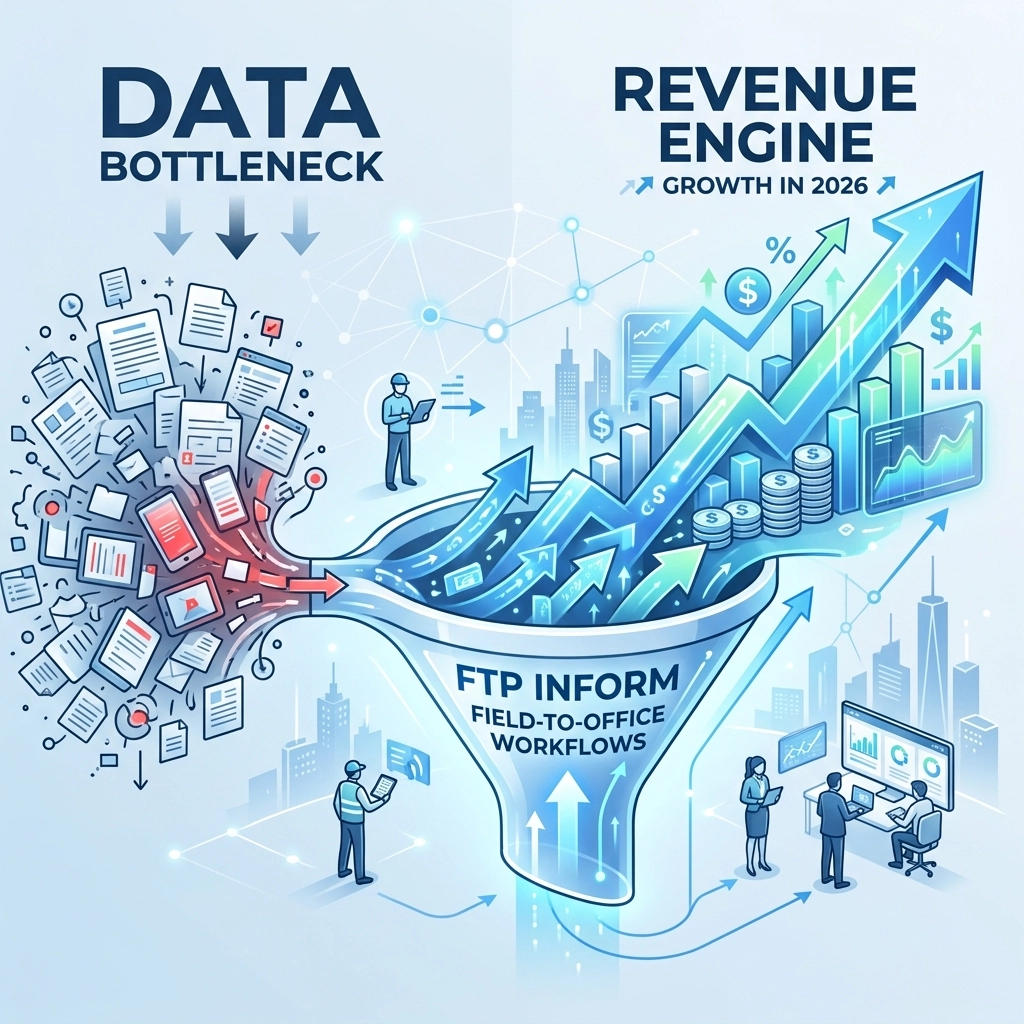
The Fix: Prioritize bespoke solutions over off-the-shelf software. While proprietary assets like FTP Inform or AI Local Boost demonstrate our ability to build high-performance products, the real value lies in our ability to create custom web applications tailored to your unique workflows.
A custom-built solution fits your business like a glove, integrating seamlessly with your existing tech stack and providing a competitive advantage that a generic SaaS product simply cannot match. If you're looking for a roadmap that truly fits your operations, you can schedule a discovery call to discuss a tailored approach.
7. Disregarding Cultural Adoption
You can build the most sophisticated AI workflow in the world, but if your team is afraid of it or doesn't understand how to use it, the project will fail. Employee resistance is a significant hurdle in digital transformation. When people feel that automation is a threat to their job security, they are less likely to provide the feedback necessary to refine the system.
The Fix: Transparent communication and upskilling. Explain to your team that AI is there to remove the "drudge work": the repetitive, soul-crushing tasks: so they can focus on the work that actually matters.
Involve your department heads early in the development process. When they see how a custom-built dashboard or an automated intake process saves them hours of manual entry, they become champions of the technology rather than obstacles.
Moving Toward a Visionary Future
The journey toward a fully automated, AI-enhanced enterprise is not a sprint; it is a strategic evolution. By avoiding these seven common mistakes, you position your organization to capture the true value of digital transformation.
At Pure Technology Consulting, we don't just build software; we architect the future of your operations. Whether you are looking to streamline complex healthcare intakes or seeking a robust GPS-logging solution for field accountability, our focus is on delivering high-ticket, high-impact results that drive long-term growth.
Ready to audit your current workflows and identify where AI can provide the most leverage? Let's build something that moves the needle for your business.
Contact Us:
Pure Technology Consulting LLC
Phone: +1 (803) 921-0969
Book a Discovery Call
Amin Said, Founder of Pure Technology Consulting LLC
https://puretechconsult.com