Amin Said, Founder of Pure Technology Consulting LLC
Digital transformation is no longer defined by how many software tools a company adopts. It is defined by how effectively those tools work together to support the way the business actually operates.
For growth-focused organizations, the difference is significant. A CRM may capture leads, a scheduling platform may manage appointments, and an accounting system may track revenue. Yet if employees still move data between systems manually, follow up through disconnected email threads, or rely on spreadsheets to coordinate decisions, the technology stack is not creating enough operational leverage.
That is where business automation consulting becomes strategic.
Business automation consulting connects process design, custom web application development, integrations, workflow automation, and artificial intelligence into a practical operating model. The objective is not to automate for its own sake. It is to reduce operational drag, improve visibility, strengthen consistency, and create a technology foundation that can support the next stage of growth.
Business automation starts with the operating model
The strongest automation initiatives begin with business context rather than software selection.
Before recommending a platform or writing code, an automation consultant should understand:
- How work enters the organization
- Which teams own each stage of the process
- Where information is collected and stored
- Which decisions are rules-based
- Where staff intervention is required
- Which systems need to exchange data
- How leaders measure performance
- What security, compliance, and approval controls apply
This discovery process often reveals that the central problem is not a lack of software. It is a lack of orchestration.
A healthcare practice may have separate systems for intake, scheduling, records, and communications. A debt collection agency may have telephony, call attribution, customer records, and reporting tools that do not share a consistent workflow. A multi-location service business may have local marketing, lead management, scheduling, and field operations spread across multiple platforms.
Each tool may function adequately on its own. The business still experiences friction because the handoffs between systems remain manual.
A practical automation roadmap prioritizes the workflows where better coordination can improve cycle time, reduce errors, reclaim staff capacity, or increase management visibility.

When custom web application development creates more value
Off-the-shelf software is often the right starting point. It can provide useful capabilities quickly and reduce the need to build common functionality from scratch.
Custom web application development becomes more valuable when the workflow itself is part of the company’s competitive advantage or when existing tools leave important gaps.
A bespoke application may be appropriate when an organization needs to:
- Coordinate multiple systems through one operating workflow
- Apply unique assignment or matching logic
- Support complex approval paths
- Create a secure client, partner, or employee portal
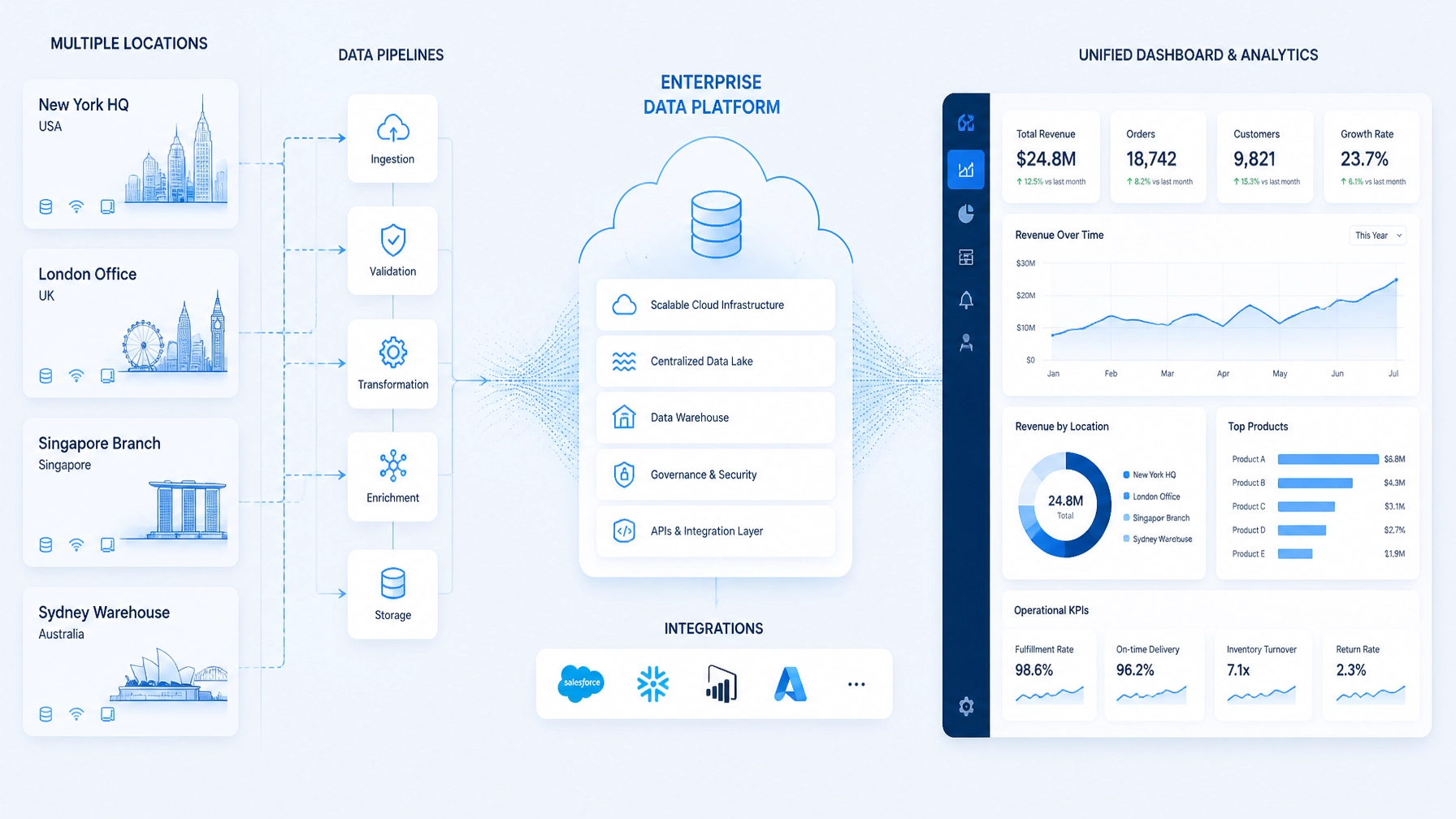
- Combine operational data into executive dashboards
- Manage multi-location or multi-tenant relationships
- Build a branded white-label experience
- Automate processes that do not fit a standard SaaS product
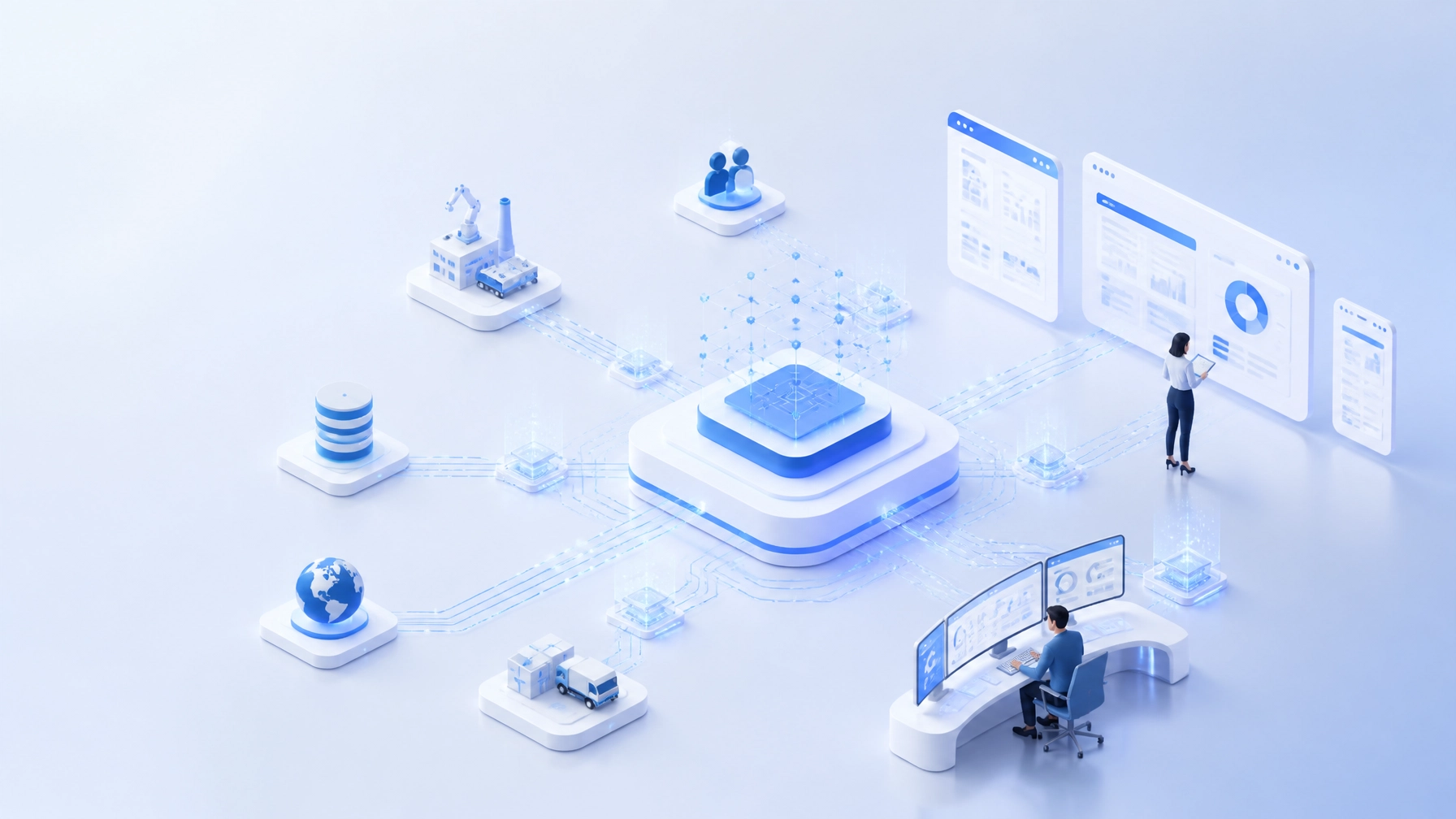
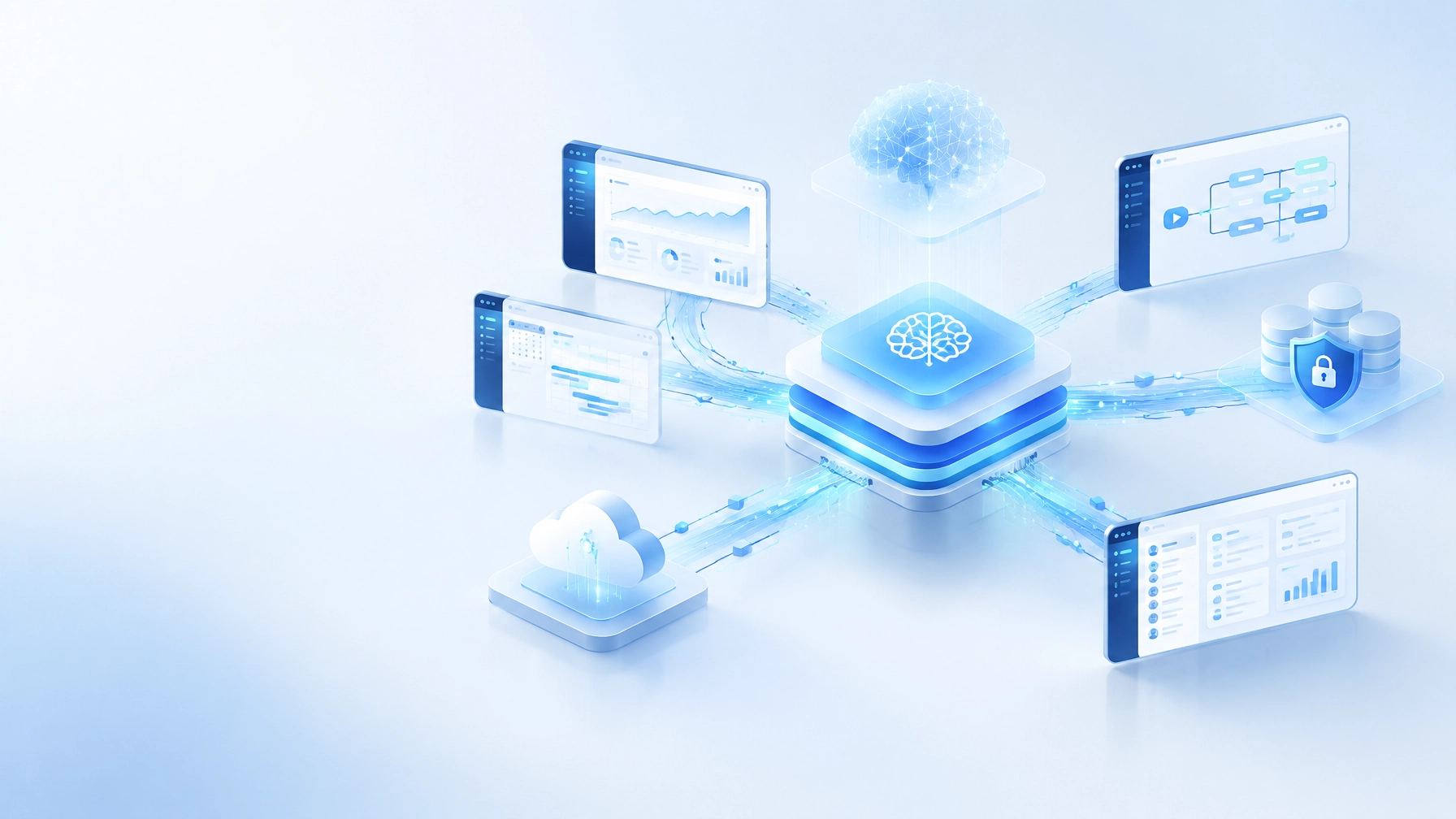
The goal is not to replace every existing system. In many cases, the best architecture preserves the systems that already work while adding a custom orchestration layer around them.
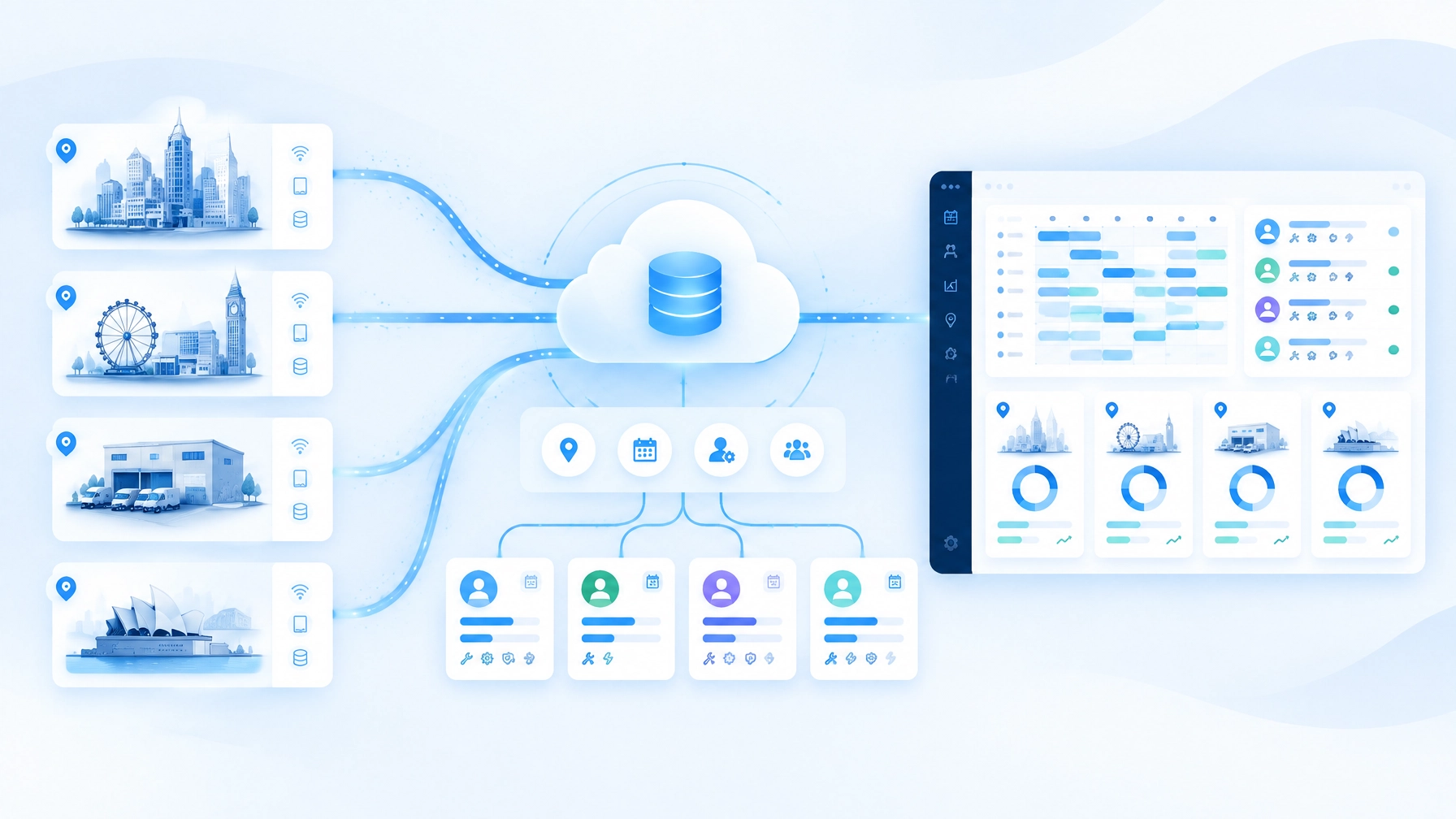
That layer can validate information, trigger next steps, route exceptions, synchronize records, notify staff, and give leadership a more complete view of performance.
The result is a system designed around the organization’s operating model rather than a collection of tools that employees must adapt around.
From workflow automation to AI-powered business systems
Traditional workflow automation follows defined rules. If a form is completed, create a record. If a payment is received, send a notification. If a lead meets certain criteria, assign it to a representative.
These automations remain valuable, but AI expands what business systems can support.
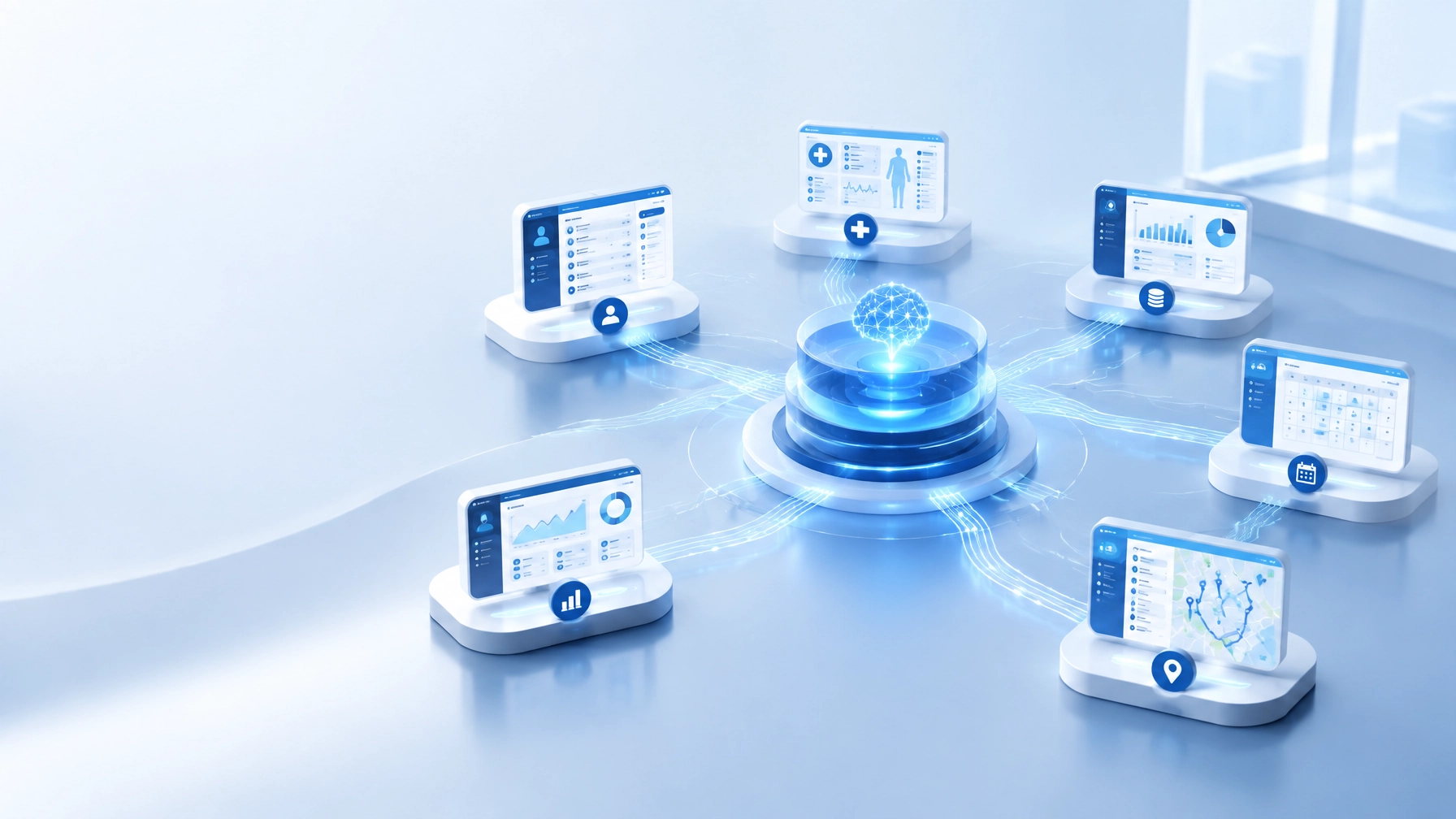
An AI-powered business system can help interpret unstructured information, classify requests, summarize records, generate drafts, identify exceptions, and recommend the next operational step. When combined with business rules and human oversight, AI can become part of a broader decision-support architecture.
Examples include:
- Classifying inbound inquiries by service need or urgency
- Summarizing documents before staff review
- Drafting customer or patient communications
- Identifying missing information in an intake workflow
- Recommending provider, location, or team assignments
- Detecting unusual patterns in operational data
- Routing high-risk or ambiguous cases for human approval
- Generating reports from connected systems
The important distinction is that AI should not operate as an isolated feature. It should be connected to reliable data, defined permissions, approval controls, and a workflow that explains what happens next.
Responsible automation does not remove accountability. It directs human attention toward decisions that require judgment while allowing software to handle repeatable work.

What Pure Technology Consulting’s proprietary builds demonstrate
Pure Technology Consulting’s proprietary platforms serve as proof-of-concept for the company’s ability to design and build complex, scalable systems. They are not presented as one-size-fits-all products for every organization. They demonstrate the engineering patterns that can be adapted to high-value custom engagements.
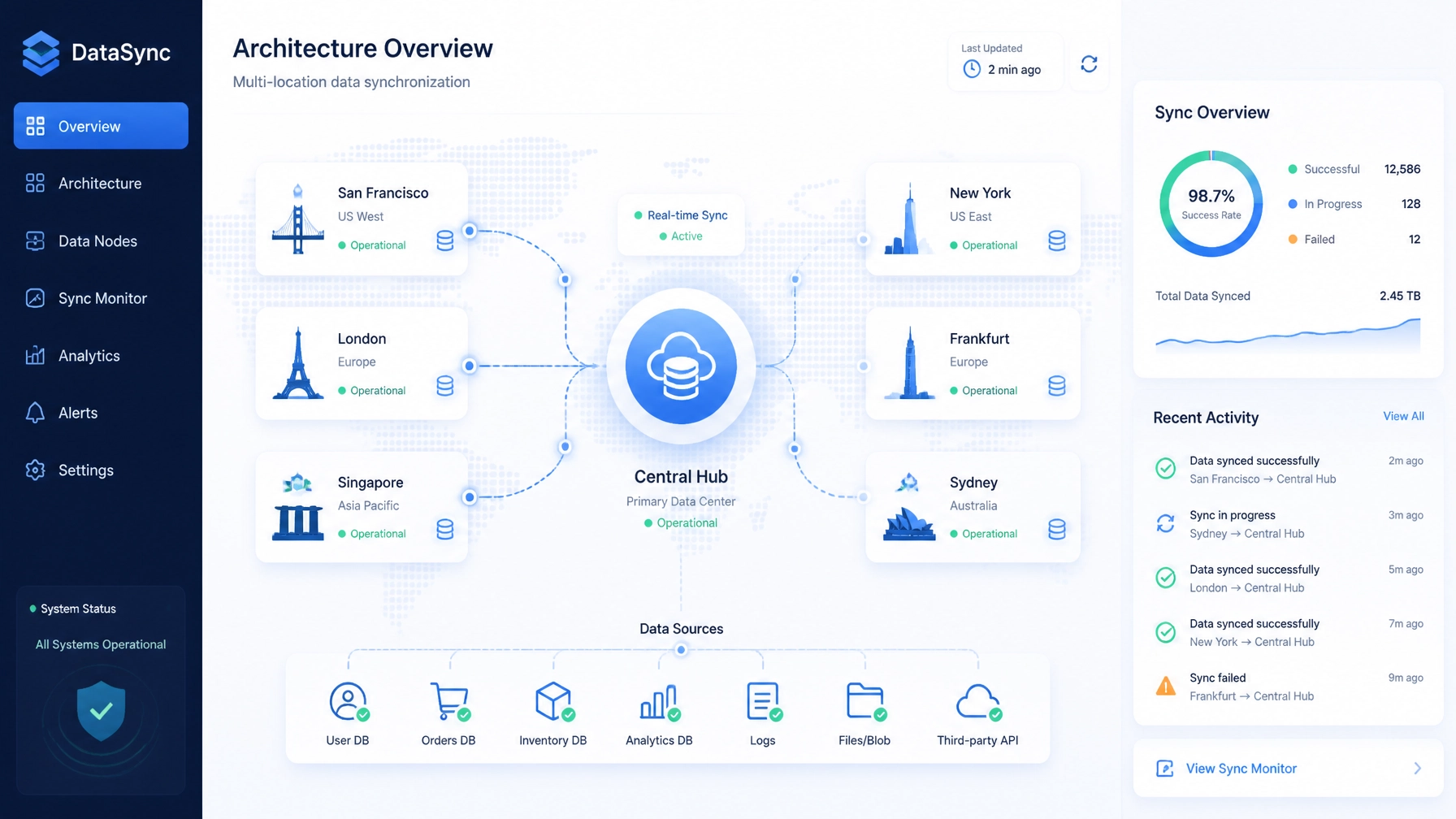
AI Local Boost: multi-location workflow orchestration
AI Local Boost demonstrates how a repetitive, multi-location process can become a governed operating system.
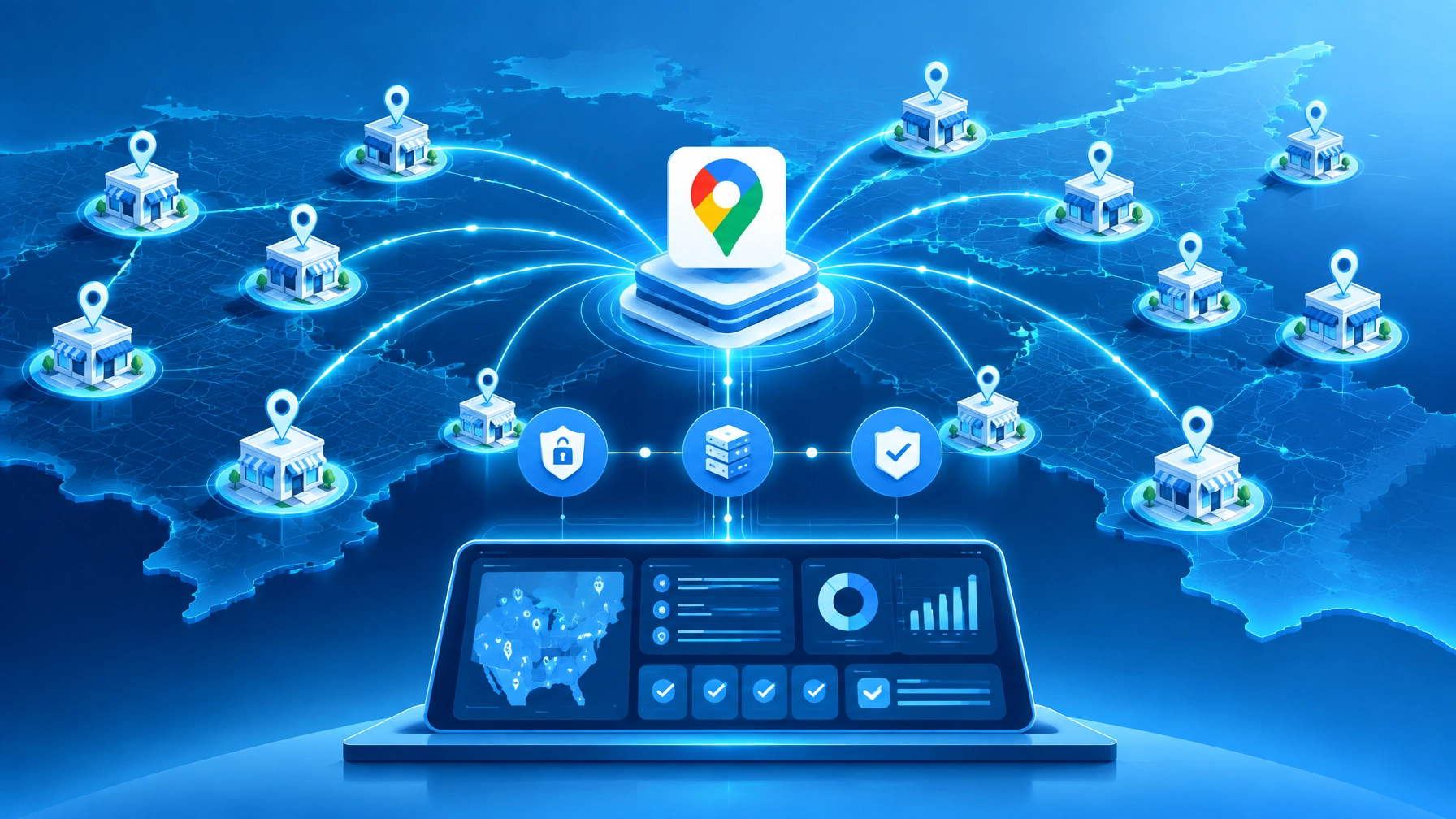
The platform was designed to coordinate Google Business Profile activity, location data, review workflows, AI-assisted content, approvals, reporting, and partner configurations. Its architecture addresses challenges such as tenant separation, role-based access, audit history, scheduling, error handling, and location-level reporting.
The broader lesson applies beyond local SEO: a scalable system must combine automation with governance and visibility.
ChainHQ: complex scheduling and assignment logic
ChainHQ’s scheduling architecture illustrates how custom software can support multi-location operators with more sophisticated assignment logic.
When schedules depend on location, availability, service type, staff qualifications, capacity, or business rules, a basic calendar may not be enough. A custom application can turn those variables into a structured workflow, reducing manual coordination and making exceptions more visible.
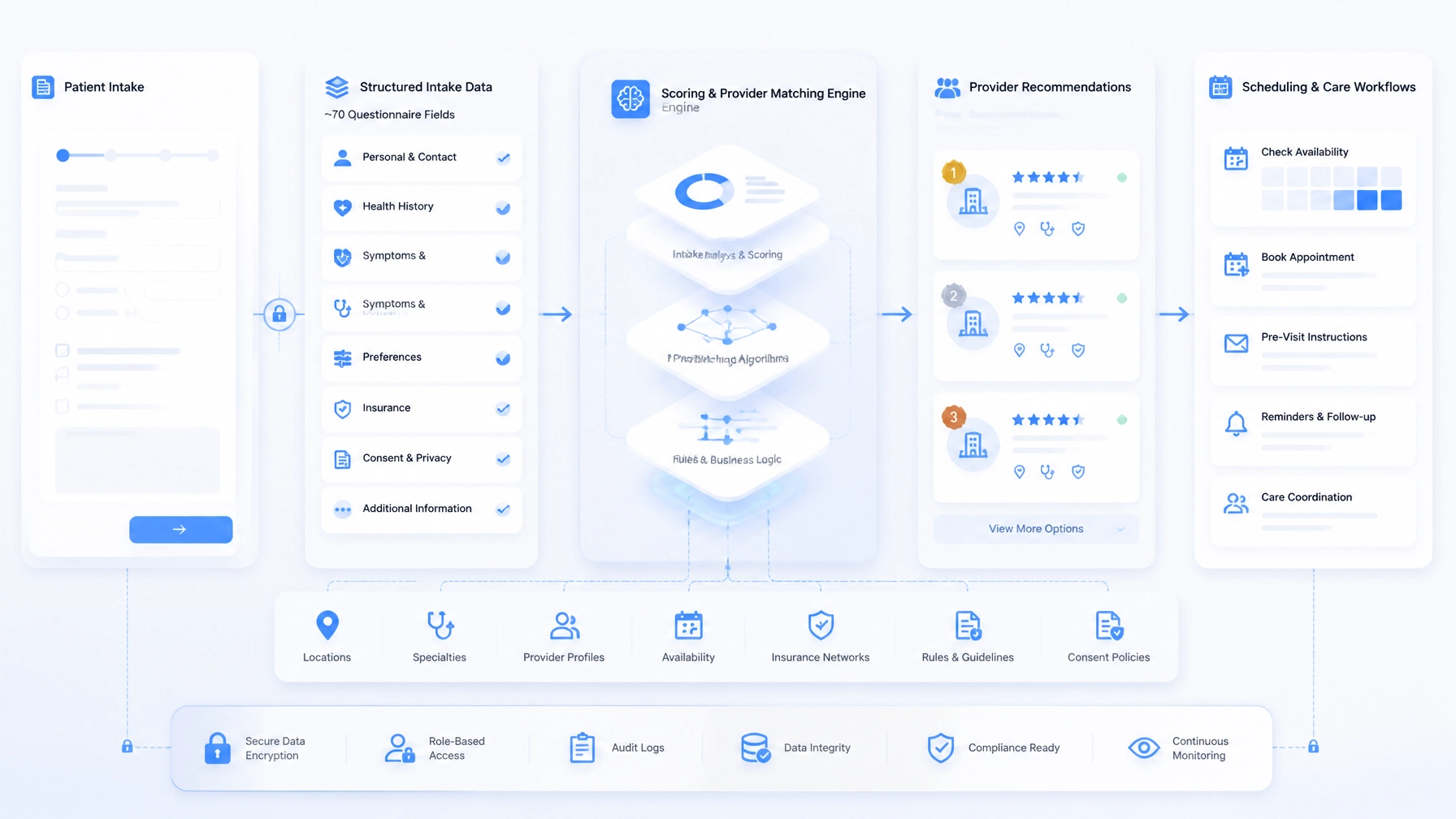
EHRIO Pro: structured healthcare intake and matching
EHRIO Pro demonstrates the design of a healthcare intake and matching workflow around approximately 70 questions, provider and location logic, scheduling requirements, and downstream coordination.
This proof-of-concept reflects PTC’s experience with HIPAA-adjacent workflows, structured data collection, exception routing, and human review. The same architecture can inform custom intake systems for healthcare, legal, accounting, and other professional services organizations.
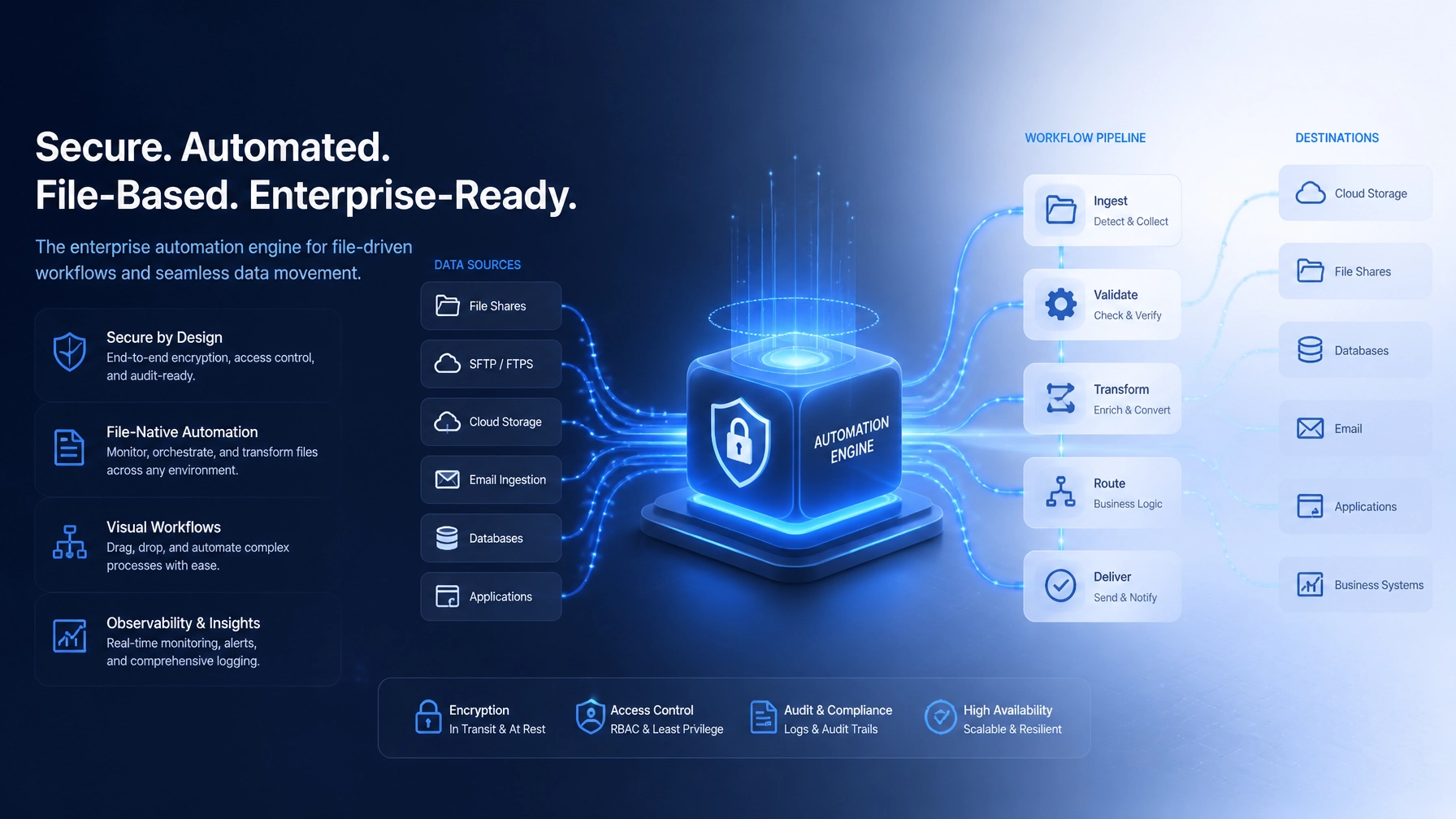
FTP Inform: governed data exchange
FTP Inform represents another important capability: designing controlled data exchange for high-volume and compliance-sensitive operations.
A secure data exchange workflow requires more than file transfer. It may involve access policies, monitoring, audit-oriented records, user permissions, notifications, and operational visibility. Those principles are relevant wherever organizations manage sensitive documents or recurring data movement between teams and systems.

A practical roadmap for business automation consulting
A high-quality engagement should create clarity before it creates complexity.
A typical roadmap includes:
-
Discovery and process mapping
Document the current workflow, systems, bottlenecks, ownership, and business constraints. -
Opportunity prioritization
Evaluate potential initiatives by business impact, implementation effort, risk, and measurable value. -
Architecture and integration planning
Decide what should remain in existing systems, what requires custom development, and how data should move. -
Proof-of-concept development
Validate the highest-risk assumptions with a focused prototype or initial workflow. -
Iterative implementation
Build in stages with stakeholder feedback, testing, security review, and operational documentation. -
Measurement and optimization
Track cycle time, staff touches, exception volume, error rates, throughput, and other agreed-upon indicators.
This approach reflects a broader point made by organizations such as Bain & Company and IBM Consulting: automation creates sustainable value when it is connected to process redesign, governance, adoption, and measurable business outcomes.
Build the operating system your growth requires
The next generation of business systems will not be defined only by artificial intelligence. They will be defined by how well AI, automation, data, people, and existing software work together.
For some organizations, the right next step may be a custom intake engine. For others, it may be an operational dashboard, a scheduling platform, a secure document workflow, a CRM integration layer, or a proprietary SaaS system built around a differentiated business model.
Pure Technology Consulting helps growth-focused organizations evaluate those opportunities, define the architecture, and build technology around the way the business needs to operate.
If disconnected systems and manual workflows are limiting your growth, book a discovery call to scope the opportunity. You can also review PTC’s custom web development capabilities to understand how strategy, application development, and automation can come together in one engagement.
+1 (803) 921-0969
Amin Said, Founder of Pure Technology Consulting LLC
https://puretechconsult.com